


Mining Equipment in Africa: The Comprehensive Guide to Hiring and Buying Machinery for Your Operation
Mining Equipment in Africa: The Comprehensive Guide to Hiring and Buying Machinery for Your Operation
Quick Answer: Mining equipment buyers and operators in Africa typically choose between hiring and buying based on project length, capital availability, and site location. Short-term or exploratory projects usually favour mining machinery hire in Kenya and other African markets, while long-term operations with predictable output often justify buying a mining excavator in Africa outright. Drill rig rental in Africa generally ranges from $800 to $3,500 per day, depending on rig class. At the same time, a mining excavator purchase in Africa can run from $150,000 for a used mid-size unit to over $1.2 million for a new large-class machine. The right choice depends on your project timeline, terrain, and total cost of ownership, all of which are covered in detail below.
Mining Equipment in Africa: An Overview
Africa’s mining sector is expanding fast, from gold operations in Ghana and Tanzania to copper and cobalt production across Zambia and the DRC, a trend explored in more depth in our overview of mining in Africa’s key countries and equipment demand. That growth is putting pressure on fleet managers and contractors to make the right call on equipment sourcing, whether that means securing a short-term drilling contract for an exploration programme or committing to a full mining excavator purchase for a decade-long operation. Getting this decision wrong is expensive: overcommit to ownership on a short project, and capital sits idle; underinvest on a long one, and rental costs quietly outpace what a purchase would have cost.
This guide walks through every major category of heavy mining machinery in Africa active on sites today, breaks down when hiring beats buying (and vice versa), and benchmarks real-world pricing for drilling, excavation, and haulage equipment across Kenya and neighbouring markets. Whether you’re scoping mining machinery hire in Kenya for your next project or comparing mining equipment for sale in Africa before a major purchase, this article covers what you need to make an informed decision.
Key Takeaways
- Hiring suits short-term, exploratory, or cash-constrained buyers who may not yet be able to justify a purchase.
- Buying makes sense for operations lasting 18 to 24 months or longer, where ownership reduces long-term earthmoving equipment and mining costs in Africa.
- Drill rig rental in Africa pricing varies significantly by rig type, region, and contract length.
- Used mining equipment in Africa can cut upfront costs by 30 to 50 percent, but carries a higher maintenance risk.
- Mining fleet hire in East Africa arrangements often bundle operators, fuel, and maintenance into the rental rate.
- Spare parts availability and proximity to mining equipment suppliers in Africa should weigh heavily in any buy decision.
- Financing options for construction and mining equipment in Africa are expanding, with more African-based lenders now offering asset-backed loans.
What Types of Mining Equipment Are Used in Africa?
Mining operations across Africa, from open-pit gold mines in Ghana and copper operations in Zambia and the DRC to deep-level mines in South Africa, depend on a broad range of specialised machinery. The right equipment varies according to the mining method, material being extracted, site conditions, and production requirements. The main categories include drilling, excavation and loading, haulage, crushing and screening, underground mining, and fleet support equipment.
1. Drilling Equipment for Mining Operations
Drilling equipment forms the backbone of many mining operations. Common machines include rotary drill rigs, crawler drills, and down-the-hole (DTH) rigs used for blast-hole drilling in open-pit mines. Exploration projects may also use smaller diamond drill rigs to identify and evaluate mineral deposits before full-scale mining begins.
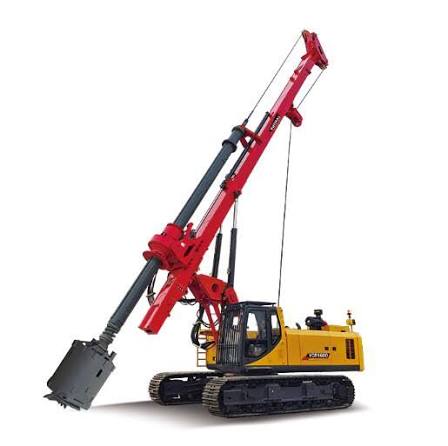
Yuchai rotary drill rig. (Source: Yuchai Equipment)
2. Excavators and Loading Equipment
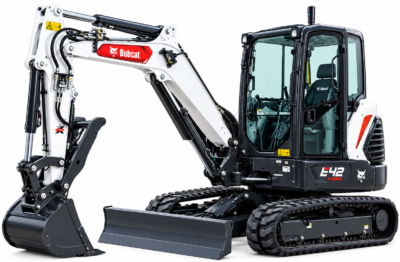
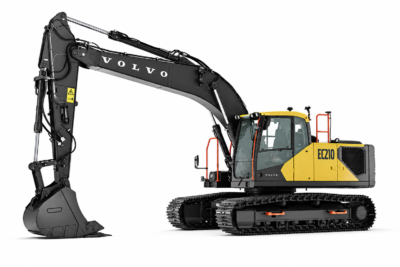
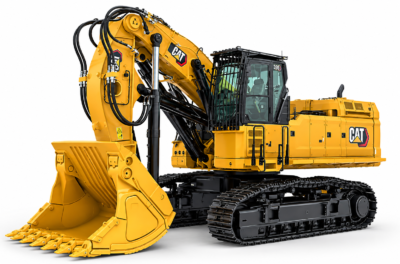
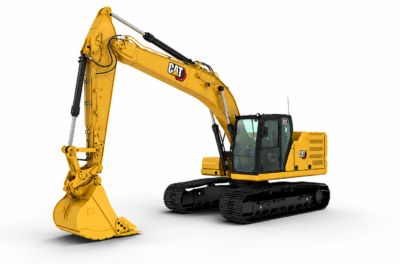
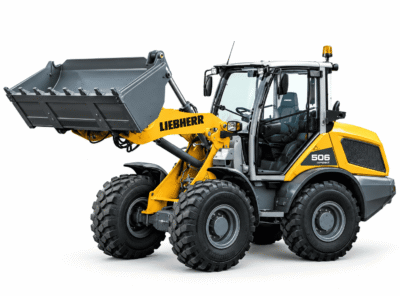
Excavation and loading equipment includes hydraulic excavators, wheel loaders, and specialised mining loaders with different bucket capacities. Mining excavators in Africa can range from approximately 20-tonne machines for smaller operations to 90-tonne-plus units used in large open-pit mines. Equipment selection depends largely on production targets, material density, and the size of the haulage fleet.
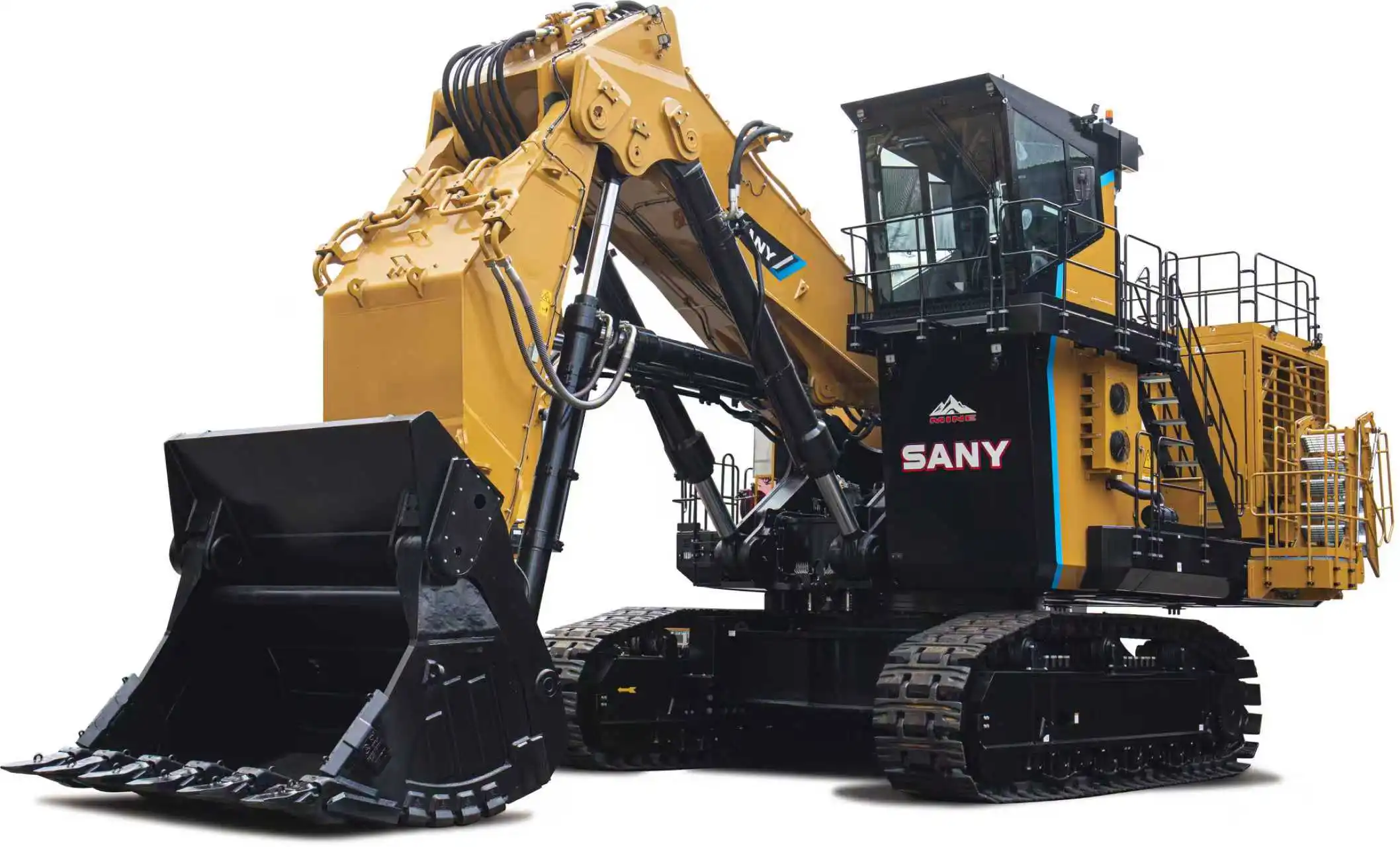
SANY SY3000E large mining excavator. (Source: SANY Global)
3. Mining Dump Trucks and Haulage Equipment
Haulage equipment transports ore, overburden, and waste rock between excavation areas, crushers, stockpiles, and processing facilities. African mines use articulated dump trucks for challenging terrain and haul roads, while large open-pit operations often rely on rigid-frame haul trucks with capacities exceeding 100 tonnes. Choosing between the two comes down to haul road conditions and site layout, a decision covered in more depth in our ADT vs rigid haul truck guide for mining operations.
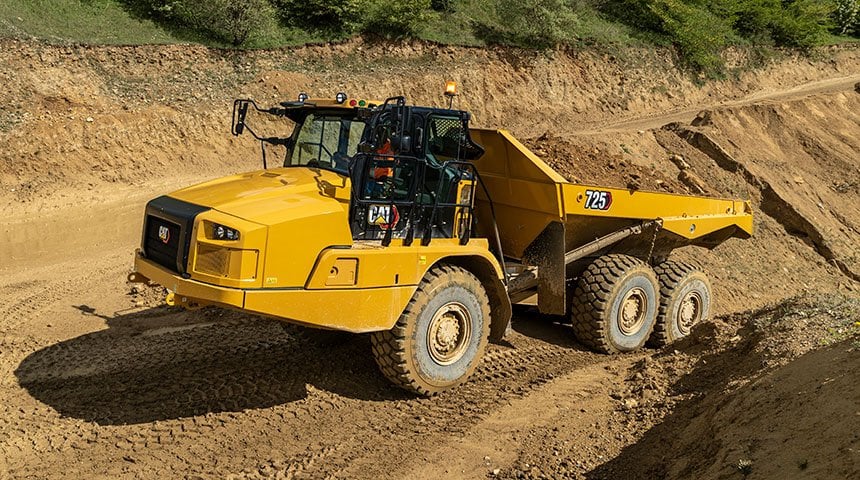
CAT 725 articulate dump truck. (Source: Zeppelin CAT)
4. Crushing and Screening Equipment
Crushing and screening equipment reduces large pieces of mined material to manageable sizes and separates material according to required specifications. Jaw crushers, cone crushers, impact crushers, screens, and conveyors are commonly integrated into mining processing systems. On-site processing can reduce material volumes and help operators control transportation and logistics costs.
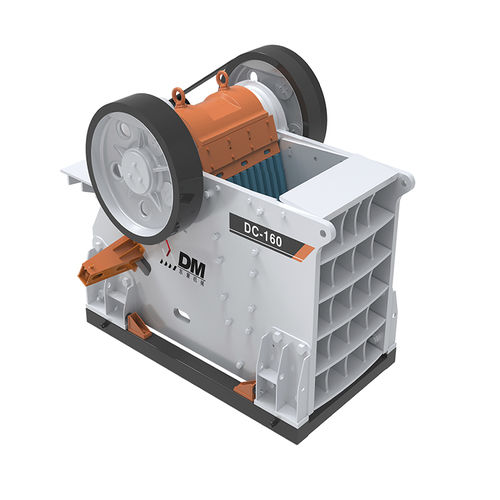
DongMeng Jaw crusher. (Source: DM)
5. Underground Mining Equipment
Underground mining requires specialised equipment designed to operate in confined spaces and challenging ground conditions. Common machinery includes load-haul-dump (LHD) loaders, underground drill jumbos, bolting rigs, and underground utility vehicles. These machines are particularly important in deep-level mining operations such as South Africa’s gold and platinum mines.
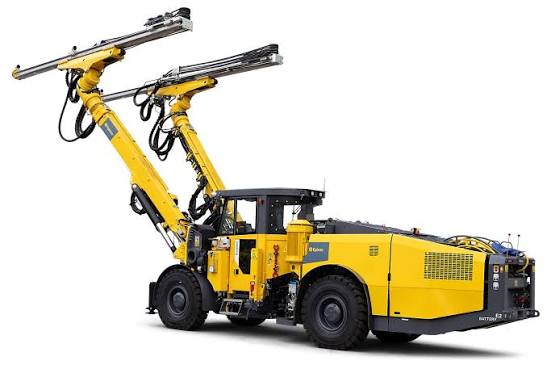
Epiroc underground drill jumbos. (Source: Epiroc)
6. Mining Support and Site Infrastructure Equipment
Support equipment plays an essential role in keeping mining operations productive and safe. Bulldozers are used for site preparation, material pushing, and stockpile management, while motor graders maintain haul roads and water trucks control dust. Other support machinery can include service trucks, fuel and lubrication units, generators, and auxiliary equipment required to keep the main production fleet operating.
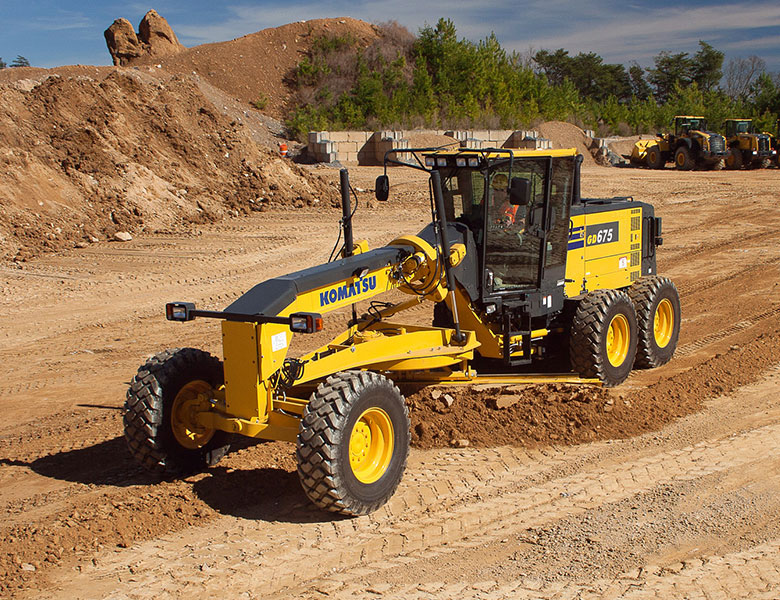
Komatsu GD675-6 motor graders. (Source: Komatsu Europe)
Equipment selection ultimately depends on the mining method, production requirements, terrain, haul distances, material characteristics, and available infrastructure. Operators must also consider equipment availability, maintenance support, spare parts, and operating costs when deciding whether to buy, lease, or hire machinery. For African mining projects, these factors can be just as important as the machine’s headline capacity or engine power.
Should You Hire or Buy Mining Equipment in Africa?
This is the single most consequential decision for any mining fleet buyer, and there is no universal answer. The right call depends on five factors: project duration, capital position, site accessibility, resale market depth, and in-house maintenance capacity.
The mining equipment hire vs purchase cost comparison generally breaks down as follows. The benefits of renting mining machinery in Africa and similar markets include avoiding a large upfront capital outlay, transferring maintenance risk to the rental company, and allowing for fleet flexibility as project scope changes. However, cumulative rental costs over a multi-year project often exceed the purchase price of equivalent equipment, sometimes by 40 percent or more.
Buying makes sense when a mine has a confirmed resource life of several years, predictable production targets, and the internal capability (or budget for third-party contracts) to manage maintenance. Ownership also builds asset value that can be recovered through resale, an important consideration given the strength of Africa’s secondary market for used machinery.
A long-term mining equipment lease arrangement in Africa sits between these two options. Lease-to-own structures are increasingly offered by suppliers across Kenya, South Africa, and Ghana, allowing operators to convert rental payments into equity in the machine over a fixed term.
Hire vs Buy at a Glance
| Factor | Hiring | Buying |
| Upfront cost | Low | High |
| Best for project length | Under 18 months | 18+ months |
| Maintenance responsibility | Usually supplier | Owner |
| Flexibility to scale fleet | High | Low |
| Long-term cost efficiency | Lower for short jobs | Lower for long jobs |
| Resale value recovery | Not applicable | Available |
How Much Does Drill Rig Rental Cost in Africa?
Drill rig rental in Africa pricing depends on rig class, ground conditions, and contract duration. A rotary drill rig rental in Kenya arrangement for blast-hole drilling at a mid-size open-pit site typically costs between $1,500 and $3,500 per day, including operator and standard consumables. Smaller crawler drill rental in East Africa rates for exploration or shallow blasting range from $800 to $1,800 per day.
Longer-term contracts, particularly those running six months or more, generally attract discounted daily rates in exchange for guaranteed utilisation. Rig availability also affects pricing: rotary and DTH rigs are in higher demand across Kenya, Tanzania, and Zambia than in more mature markets like South Africa, which can push short-notice rental rates up by 15 to 20 percent. Identifying the best drill rigs for African mining conditions starts with matching rig class to ground type and confirming the supplier can service the machine locally.
Indicative Drill Rig Rental Rates (Kenya, 2026)
| Rig Type | Daily Rate (USD) | Daily Rate (KES) | Typical Use |
| DTH crawler drill | $800 to $1,800 | KES 104,000 to KES 234,000 | Exploration, shallow blast holes |
| Rotary blast hole rig | $1,500 to $3,500 | KES 195,000 to KES 455,000 | Open-pit production drilling |
| Diamond core drill | $600 to $1,400 | KES 78,000 to KES 182,000 | Resource definition drilling |
| Underground jumbo drill | $1,200 to $2,800 | KES 156,000 to KES 364,000 | Underground development |
How Much Does It Cost to Hire or Buy a Mining Excavator in Africa?
Mining excavator hire rates in Kenya typically range from $900 to $2,400 per day, depending on machine class, with 20- to 30-tonne excavators at the lower end and 50-tonne-plus mining-class units at the upper end. Fuel, transport to the site, and operator costs are usually itemised separately unless the contract specifies an all-inclusive rate. Wheel loader rental for mining Africa projects tends to follow a similar pricing curve, scaling with bucket capacity rather than tonnage class alone.
For outright purchase, pricing for a mining excavator in Africa varies widely. A used 20-tonne excavator suitable for smaller mining or quarry work can be sourced for $80,000 to $150,000. In contrast, a new large-class mining excavator (70 tonnes and above) from a major manufacturer can cost more than $1.2 million. Mining machinery cost figures in Africa are also shaped by import duties, which vary by country and can add 15 to 25 percent to landed cost.
Mining Excavator Hire vs Buy: Example Cost Snapshot (Kenya)
| Class | Daily Hire Rate (KES) | New Purchase Price (KES) | Used Purchase Price (KES) |
| 20 to 30-tonne | KES 117,000 to KES 182,000 | KES 28.6M to KES 45.5M | KES 10.4M to KES 19.5M |
| 30 to 50-tonne | KES 182,000 to KES 247,000 | KES 52M to KES 84.5M | KES 23.4M to KES 41.6M |
| 50-tonne plus | KES 247,000 to KES 312,000 | KES 91M to KES 156M+ | KES 45.5M to KES 78M |
Estimated Excavator Market Pricing by Tonnage Class (USD)
| Excavator Tonnage Class | Daily Hire Rate | New Purchase Price | Used Purchase Price |
| 20 to 30-tonne class | USD 900 to 1,400 | USD 220,000 to 350,000 | USD 80,000 to 150,000 |
| 30- to 50-tonne class | USD 1,400 to 1,900 | USD 400,000 to 650,000 | USD 180,000 to 320,000 |
| 50-tonne plus class | USD 1,900 to 2,400 | USD 700,000 to 1,200,000+ | USD 350,000 to 600,000 |
These mining equipment rental rates in Kenya, along with the purchase figures above, give a working benchmark for budgeting an excavator fleet, though final quotes will vary by supplier and machine condition.
Where Can You Find Reliable Mining Equipment Suppliers in Africa?
Mining equipment suppliers in Africa fall into three broad categories: original equipment manufacturer (OEM) dealerships, independent rental fleets, and cross-border used equipment brokers.
Mining equipment suppliers in Kenya are concentrated around Nairobi and Mombasa, with dealer networks representing major global brands alongside regional players offering more competitively priced alternatives, making Kenya a natural starting point for buyers seeking reliable mining machinery suppliers in East Africa. Mining machinery hire in Ghana operations are similarly clustered around Accra and the Ashanti gold belt, reflecting the concentration of mining activity in that region.
Mining equipment rental in Tanzania and mining equipment hire in Zambia have grown quickly alongside expanding copper and gold production, though fleet availability can be tighter than in Kenya or South Africa. Drill rig suppliers DRC operations tend to serve the copper-cobalt belt around Katanga, often requiring longer lead times due to logistics and import complexity.
When evaluating mining equipment for sale in South Africa listings, or any regional supplier of mining equipment for sale in Africa more broadly, prioritise three things: proximity of a service centre, confirmed spare parts availability, and a documented maintenance history if buying used.
What Should You Consider Before Choosing Equipment for African Terrain?
Choosing mining equipment for African terrain starts with ground conditions. Laterite soils, common across West and Central Africa, behave differently under load than the rockier terrain found in parts of East and Southern Africa, affecting undercarriage wear on excavators and dump trucks alike.
Altitude and heat also matter. Sites above 2,000 metres, common in parts of Kenya and Ethiopia, can affect engine performance on machines not specified for high-altitude operation. Ambient temperature extremes across the Sahel and the dry interior of southern Africa push cooling system requirements beyond standard specifications in temperate markets.
The best mining equipment brands for Africa are generally those with an established regional dealer network, rather than those with the strongest reputation elsewhere. A machine with no local parts supply chain, however well engineered, becomes a liability the first time it needs an unscheduled repair.
How Much Does It Cost to Run Mining Machinery in Africa?
The mining machinery cost in Africa extends well beyond the daily hire rate or purchase price. Fuel typically accounts for 30 to 40 percent of total operating costs for haulage and excavation equipment, with prices varying significantly by country due to differing subsidy structures and import taxes.
Mining equipment maintenance costs in Africa also need to account for the reality of parts logistics. Machines running in more remote sites, particularly in landlocked markets like Zambia or the DRC, often carry higher effective maintenance costs simply due to shipping times for parts not held in local inventory.
Spare parts availability for mining equipment in Africa should be assessed before any purchase decision, not after. Suppliers with local parts warehousing, rather than those shipping from overseas on demand, meaningfully reduce the risk of downtime over the life of the machine.
Are Financing Options Available for Mining Equipment in Africa?
Financing for construction and mining equipment in Africa has surged, driven by a global influx of capital into sub-Saharan critical mineral projects like copper, cobalt, and lithium. Instead of generic credit lines, buyers now secure asset-backed structures, such as finance leases and hire-purchase agreements, where the machinery itself secures the loan. These options are deployed directly through regional development lenders like the African Development Bank (AfDB) and Afreximbank, Tier-1 commercial institutions like Standard Bank and Absa, and vendor-financed programmes arranged by major OEMs like Caterpillar (via Barloworld) and Komatsu.
Lease-to-own structures, discussed earlier as a middle path between hiring and buying, are also increasingly financed through third-party lenders rather than the equipment supplier directly, giving buyers more room to negotiate terms.
How Do Caterpillar, Komatsu, and Other Brands Compare for African Mining?
Caterpillar vs Komatsu mining equipment Africa comparisons come up constantly among fleet managers weighing their next purchase. Both brands maintain strong dealer networks across the continent, though coverage density varies by country. Caterpillar’s mining equipment lineup spans drilling, loading, and hauling solutions with broad support across East and West Africa, while Komatsu’s surface mining range has historically had stronger representation in Southern Africa’s mining belt.
The best excavator for mining in Africa ultimately depends less on brand loyalty and more on matching machine class to site conditions and confirming local parts support. Top mining equipment brands in 2026 rankings from industry analysts continue to place Caterpillar, Komatsu, and increasingly XCMG among the most represented brands on African sites, with XCMG gaining ground on price-sensitive projects across East Africa.
Ready to Compare Mining Equipment Options?
Browse verified mining equipment for sale and hire across Kenya, Tanzania, Ghana, Zambia, and South Africa on PlantBridge Africa’s mining equipment category page. Compare pricing, supplier ratings, and machine specifications from vetted dealers in one place before you commit.
Frequently Asked Questions
- Is it cheaper to hire or buy mining equipment in Africa? It depends on project length. Hiring is generally cheaper for projects under 18 months, while buying becomes more cost-effective for longer operations due to lower cumulative cost per operating hour.
- How much does drill rig rental cost per day in Africa? Drill rig rental in Africa ranges from around $800 per day for smaller crawler or diamond core rigs to $3,500 per day for large rotary blast hole rigs, depending on the region and contract length.
- What is the average cost of a mining excavator in Africa? A used mining excavator can start at around $80,000 for a smaller-class machine, while new large-class mining excavators can exceed $1.2 million before accounting for import duties.
- Which countries have the most mining equipment suppliers in Africa? South Africa, Ghana, DRC, Zambia, Algeria, and Tanzania have the most developed networks of mining equipment suppliers, reflecting the concentration of active mining projects in these markets.
- What financing options exist for buying mining equipment in Africa? Options include asset-backed loans from banks and development finance institutions, vendor financing through OEM dealerships, and lease-to-own arrangements that convert rental payments into equity over time.
- Which mining equipment brand is best for African conditions? Caterpillar, Komatsu, Hitachi, and Volvo are the most widely represented brands across African mining sites. The better choice depends on local dealer support and parts availability rather than brand reputation alone.
- How do I choose the right mining equipment for my site’s terrain? Consider soil type, altitude, and temperature extremes at your specific site, then confirm the equipment manufacturer’s specifications match those conditions before purchase or long-term hire.
Conclusion: Making the Right Call for Your Operation
There is no single right answer to whether to hire or buy mining equipment in Africa, but there is a right process. Start with an honest estimate of project length, factor in the true cost of ownership (parts, fuel, downtime risk) rather than just the sticker price or daily rate, and weigh that against supplier proximity and financing terms available in your specific market. A short exploration programme in Zambia and a decade-long open-pit operation in the DRC call for very different fleet strategies, even if the equipment on the shortlist looks identical on paper.
Whichever path fits your operation, the fundamentals stay the same: match the machine class to your terrain, confirm parts and service support before you commit, and revisit pricing regularly since fuel costs, import duties, and currency shifts can move the hire-versus-buy math faster than expected. With the categories, costs, and supplier landscape covered here, you’re equipped to make that call with confidence and to compare your options directly on PlantBridge Africa.
Pricing data in this guide reflects Kenyan and broader East African market rates as of mid-2026 and is intended as a general benchmark. KES figures are approximate conversions at a rate of roughly 130 KES to 1 USD and will shift as the exchange rate moves. Equipment costs, rental rates, and financing terms fluctuate with fuel prices, import duties, and currency movements, so confirm current pricing directly with suppliers before making a purchase or rental decision.