












Construction Equipment Hire Cost in Kenya: 7 Proven Ways to Save Big (2026)

Construction Equipment Hire Cost in Kenya: 7 Proven Ways to Save Big (2026)
Quick answer: Construction equipment hire cost in Kenya ranges from roughly KES 14,000 to KES 250,000 per day in 2026, depending on the machine and its size class. A standard 20 to 22-tonne excavator hire costs around KES 40,000 to 55,000 per day, and a 25-tonne mobile crane runs KES 28,000 to 35,000 per day. Operator costs are usually built into the rate; fuel usually is not.
Introduction: What Drives Construction Equipment Hire Cost in Kenya
Ask five contractors what they paid for their last excavator hire, and you will get five different answers, and none of them will be lying. Construction equipment hire rates in Kenya swing with machine size, location, the season, and how the deal is structured, and hardly any supplier publishes a fixed rate card. If you are pricing up a job and need a straight answer on what an excavator, grader, crane, dozer, wheel loader, roller, backhoe, or tipper truck will actually cost to hire in 2026, this guide gives you real market rate ranges for every major equipment category, plus seven ways to bring the final bill down instead of accepting whatever the first quote says.
Across the market, heavy equipment rental in Kenya typically runs KES 14,000 to KES 250,000 per day. Crane hire sits at the top of that range, while mini excavators, rollers, and tipper trucks anchor the bottom, and where your machine falls in between depends on size, operator inclusion, and how far it has to travel to reach your site.
What follows covers daily, hourly, and weekly construction machinery hire rates in Kenya, categorised by category, the factors that actually move those numbers, and, for anyone running a job long enough to wonder about it, how buying stacks up against hiring. Where a category warrants a closer look, whether that is sizing an excavator correctly or scoping out a crane lift, the links throughout lead to a dedicated guide on that machine class.
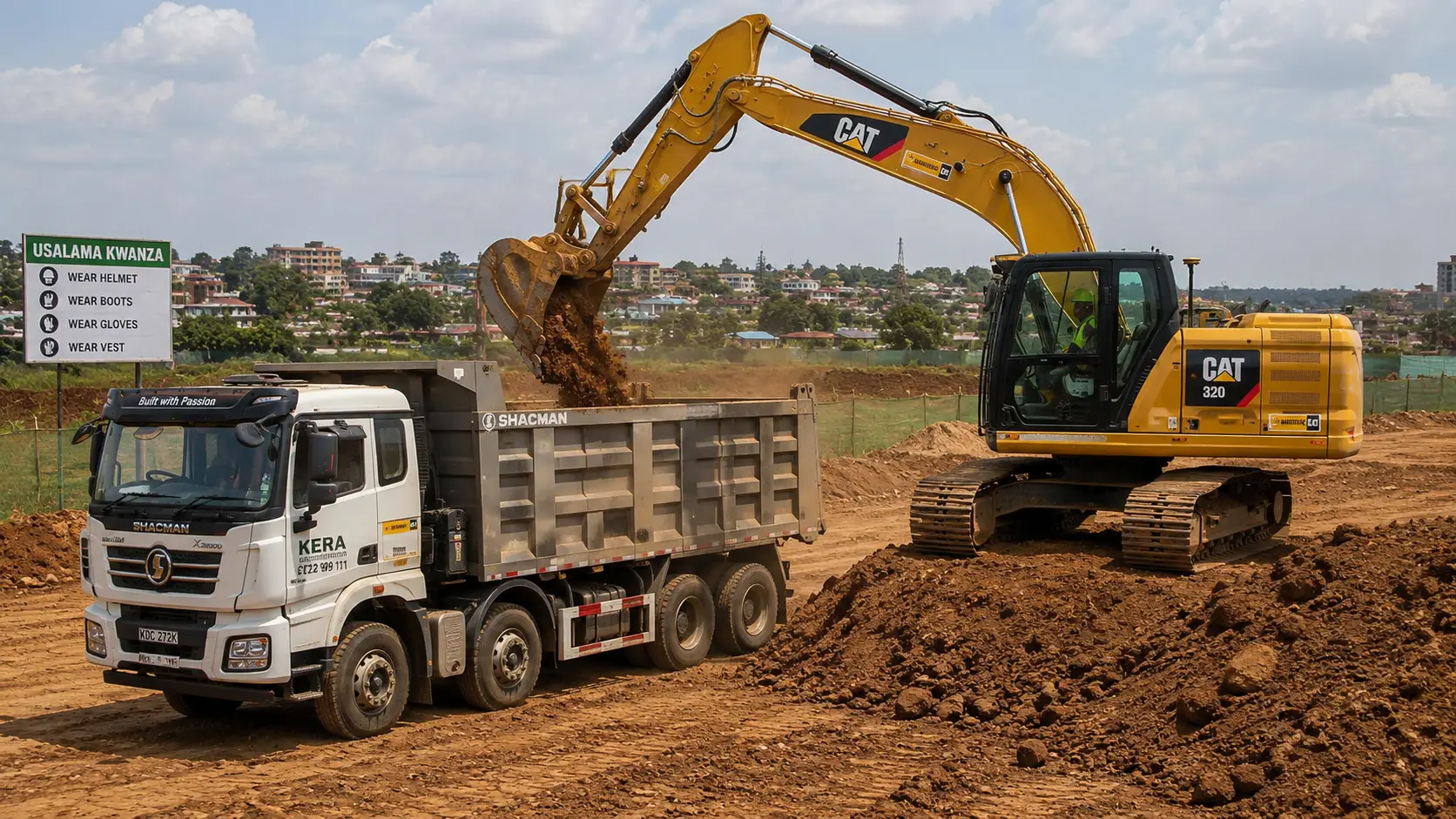
An excavator and tipper truck plant-matching on a construction site in Kenya.
Key Takeaways
- Construction equipment hire costs in Kenya range from approximately KES 14,000 to KES 250,000 per day, depending on the machine type and size class.
- Operator costs are almost always included in Kenyan equipment hire rates. Dry hire, where you supply your own operator, is the exception rather than the rule.
- Fuel is the hirer’s responsibility on the majority of hire agreements in Kenya. Confirm this before you sign anything.
- Weekly and monthly hire rates offer meaningful savings compared to daily rates. Negotiate the duration upfront if your project timeline allows.
- For shorter jobs and one-off tasks, hiring makes more financial sense than buying; for continuous, multi-year work, purchasing a machine outright often works out cheaper.
- PlantBridge Africa’s marketplace brings contractors, equipment owners, dealers, and rental companies together in one place, so you can compare listings and reach the right supplier directly.
Average Construction Equipment Hire Rates in Kenya in 2026
The table below sets out indicative equipment rental rates in Nairobi and the surrounding counties as of 2026. Rates upcountry can run higher, and mobilisation costs are not included in any of the figures below. All prices are in Kenyan Shillings (KES).
Table 1: Average Construction Equipment Hire Rates in Kenya (2026)
| Equipment | Size / Class | Hourly (KES) | Daily (KES) | Weekly (KES) | Operator |
| Excavator | Mini (5–8T) | N/A | 15,000 – 25,000 | 90,000 – 150,000 | Yes |
| Excavator | Standard (20–22T) | 6,000 – 8,000 | 40,000 – 55,000 | 240,000 – 330,000 | Yes |
| Excavator | Large (30T+) | 7,500 – 10,000 | 55,000 – 75,000 | 330,000 – 450,000 | Yes |
| Backhoe Loader | JCB 3CX class | 4,000 – 5,500 | 25,000 – 35,000 | 150,000 – 200,000 | Yes |
| Motor Grader | 140G/120H class | 5,000 – 6,000 | 35,000 – 45,000 | 210,000 – 270,000 | Yes |
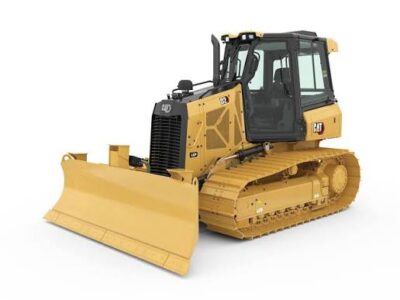
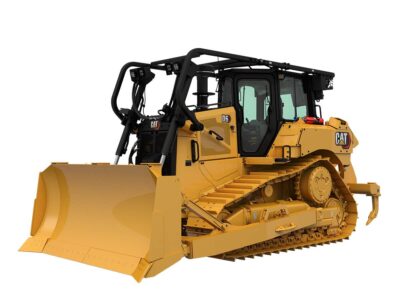
| Bulldozer | D6 / equivalent | 6,000 – 7,000 | 42,000 – 50,000 | 250,000 – 300,000 | Yes |
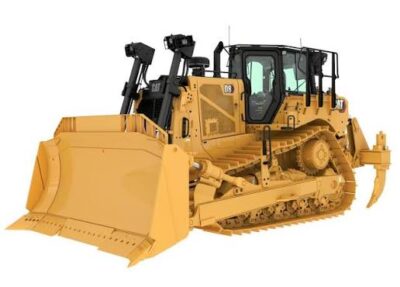
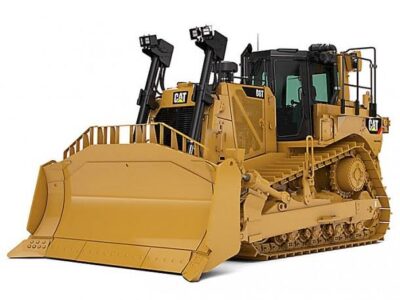
| Bulldozer | D8 / equivalent | 8,000 – 9,500 | 55,000 – 65,000 | 330,000 – 390,000 | Yes |
| Mobile Crane | 25T | N/A | 28,000 – 35,000 | 150,000 – 180,000 | Yes |
| Mobile Crane | 50T | N/A | 60,000 – 80,000 | 350,000 – 420,000 | Yes |
| Mobile Crane | 100T+ | N/A | 150,000 – 250,000 | N/A | Yes |
| Wheel Loader | 1.5m³ bucket | 4,500 – 6,000 | 30,000 – 40,000 | 180,000 – 240,000 | Yes |
| Vibratory Roller | Single-drum, 10–12T | 3,500 – 4,500 | 20,000 – 28,000 | 120,000 – 160,000 | Yes |
| Pneumatic/Tandem Roller | Asphalt class | 3,800 – 5,000 | 22,000 – 30,000 | 130,000 – 170,000 | Yes |
| Concrete Mixer | Site drum mixer | N/A | 2,500 – 4,000 | 15,000 – 25,000 | No (self-operated) |
| Concrete Mixer | Transit/self-loading | N/A | 15,000 – 30,000 | N/A | Yes |
| Tipper Truck | 18T payload | N/A | 14,000 – 15,000 | 70,000 – 90,000 | Yes |
| Tipper Truck | 28T payload | N/A | 22,000 | 110,000 – 130,000 | Yes |
Rates are indicative market ranges as of 2026. Actual quotes vary by supplier, machine age, location, and project terms. Confirm mobilisation costs separately, and treat the backhoe loader and concrete mixer figures as directional; both categories exhibit wider pricing spreads than the heavier plant above because many different suppliers and configurations fall under one name.
Wet Hire vs. Dry Hire vs. Leasing: What’s the Difference in Kenya?
The terminology matters here because it directly changes the number on your quote.
Wet hire is the default in Kenya. The supplier provides the machine and a qualified operator, and often fuel as well. Dry hire means you take the machine only; you supply your own licensed operator and fuel, and the day rate typically drops by 15 to 25 percent as a result.
Machinery leasing in Kenya is a different arrangement again: rather than a short-term daily or weekly hire, leasing is a longer-term financing structure, often running months or years, that puts a machine on your site with a view to eventual ownership or a fixed-term commitment. If a supplier offers you a “leasing” arrangement rather than a straightforward hire, check the term length and whether payments count towards ownership before comparing it against a daily rate.
Table 2: Wet Hire vs. Dry Hire vs. Leasing in Kenya
| Hire Type | What’s Included | Typical Price Impact | Best Suited To |
| Wet hire | Machine + operator (fuel sometimes included) | Standard market rate | Most contractors have no in-house operator |
| Dry hire | Machine only | 15–25% below wet-hire rate | Companies with their own certified operators |
| Leasing | Machine, typically over months or years | Lower per-month cost than repeated short hires, but a longer commitment | Projects or fleets needing a machine long-term |
Always confirm in writing which model applies before signing anything. “Hire rate,” used on its own without qualification, is ambiguous in the Kenyan market and a common source of disputes once the invoice lands.
How Much Does It Cost to Hire an Excavator in Kenya?
Excavators are hired more often than any other machine on this list and are used for earthworks, foundation digging, drainage, and demolition. Excavator hire cost in Kenya varies significantly by size, and the price almost always includes an operator; fuel remains on the hirer’s side of the ledger.
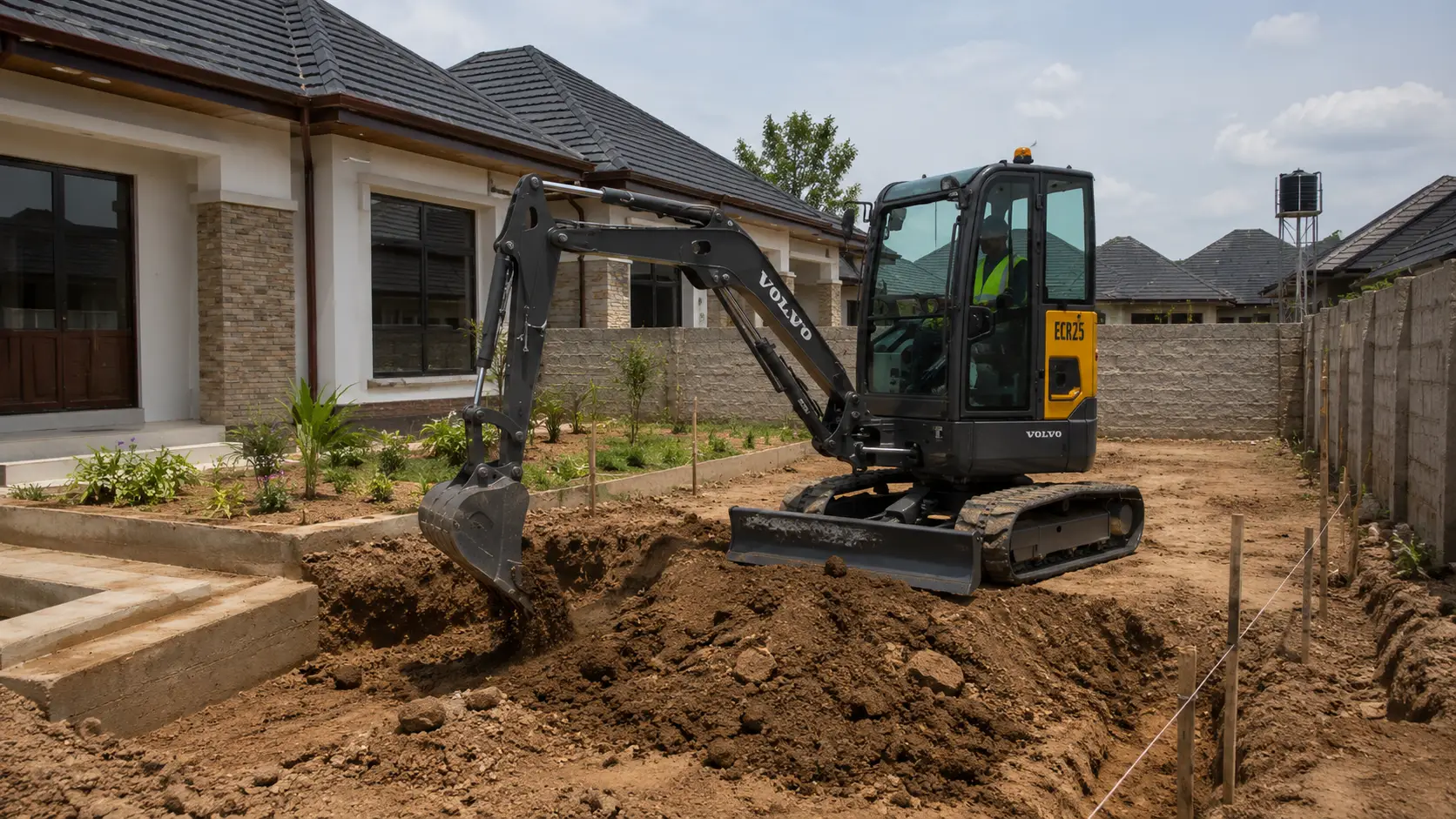
Mini excavator working on a residential site in Kenya.
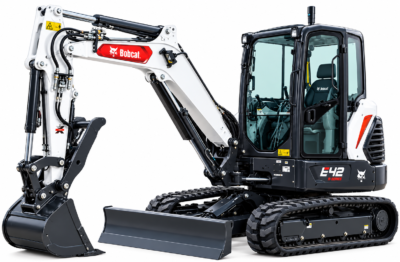
Mini excavators (5–8T) suit confined sites, utility trenching, and residential work. Lower fuel burn and a smaller footprint make this the most affordable excavator category to hire, with daily rates typically running KES 15,000 to 25,000. Hourly hire is rare here; most suppliers prefer day-rate agreements for this size.
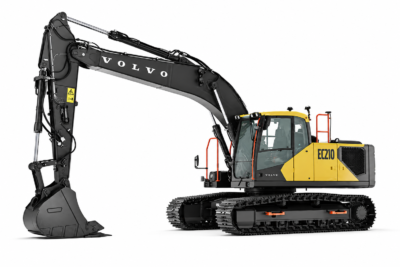
Standard excavators (20–22T) are the default machine on Kenyan sites for road earthworks, bulk excavation, and infrastructure work, and supply is deep enough that this is the most competitively priced category. Daily rates run KES 40,000 to 55,000, and excavator hire cost per hour in Kenya for this class sits between KES 6,000 and 8,000.
Large excavators (30T+) turn up on mining sites, dam construction, and high-volume bulk earthworks. Availability thins out once you move away from Nairobi and Mombasa, which affects both price and lead time. Daily rates run KES 55,000 to 75,000, with hourly rates of roughly KES 7,500 to 10,000 for shorter jobs.
Picking the wrong size class is the single most common way contractors overpay on excavator hire. Our detailed breakdown of excavator sizes and how to match a machine to your project walks through bucket capacity, dig depth, and site-access considerations for African conditions before you request a quote.
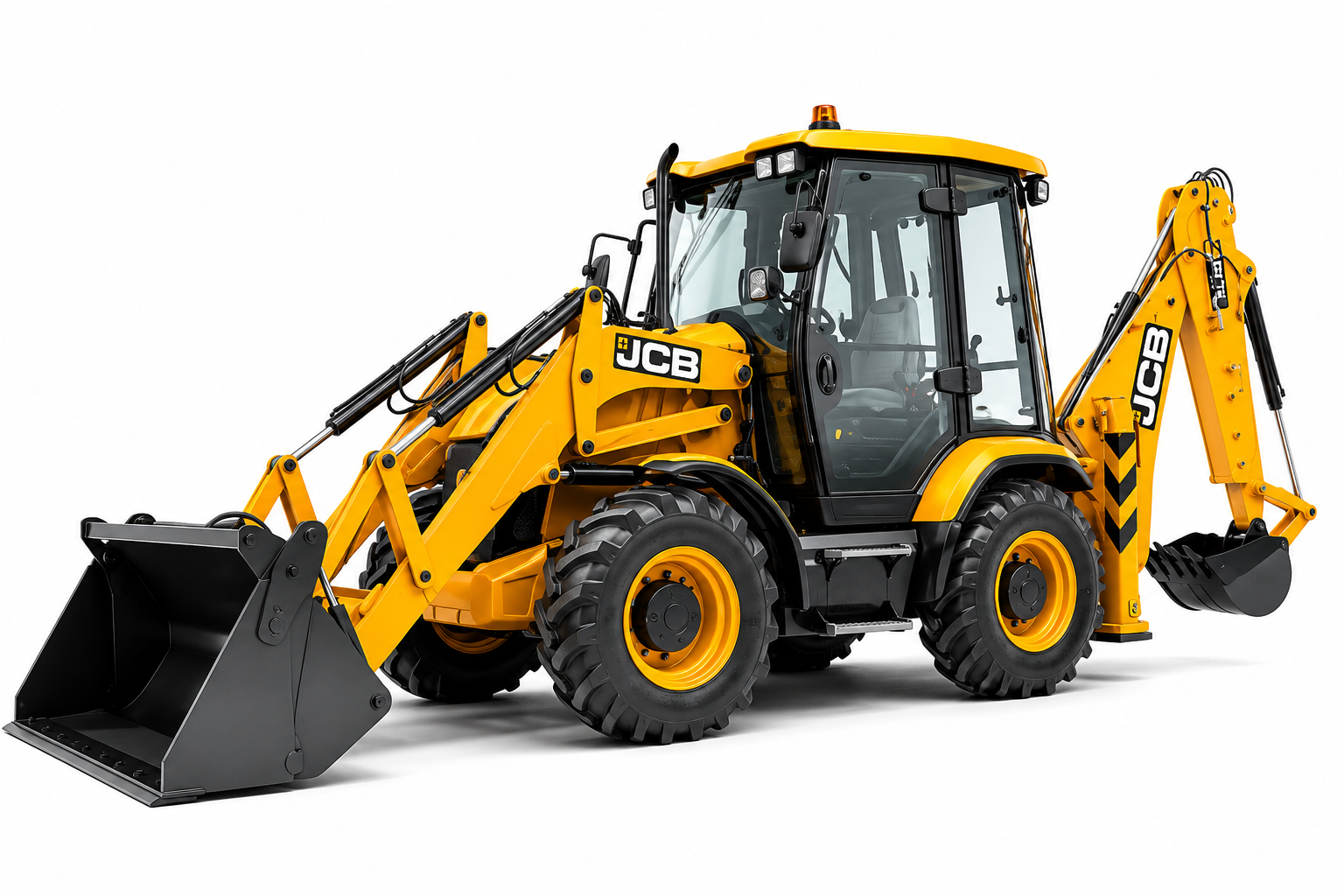
How Much Does a Backhoe Loader Cost to Hire in Kenya?
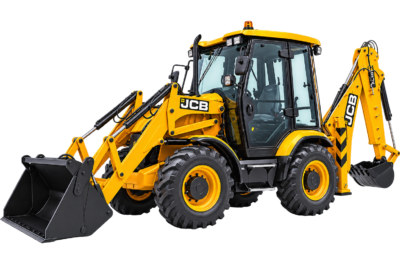
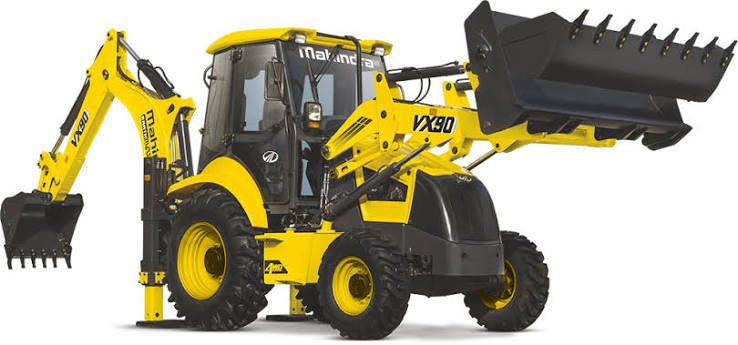
Backhoe hire in Kenya covers a slightly different job than excavator hire. A backhoe loader combines a front-loading bucket with a rear-mounted digging arm on a single chassis, making it a practical choice for smaller trenching, utility work, and site clearance where you need to dig and load without bringing in two separate machines. Backhoe loader hire typically runs KES 25,000 to 35,000 per day with an operator, or roughly KES 4,000 to 5,500 per hour for shorter engagements. Availability is generally strongest in Nairobi and other major towns, and the machine’s versatility often makes it a cheaper alternative to hiring a mini excavator and a wheel loader separately for the same job.
What Does a Motor Grader Hire Cost in Kenya?
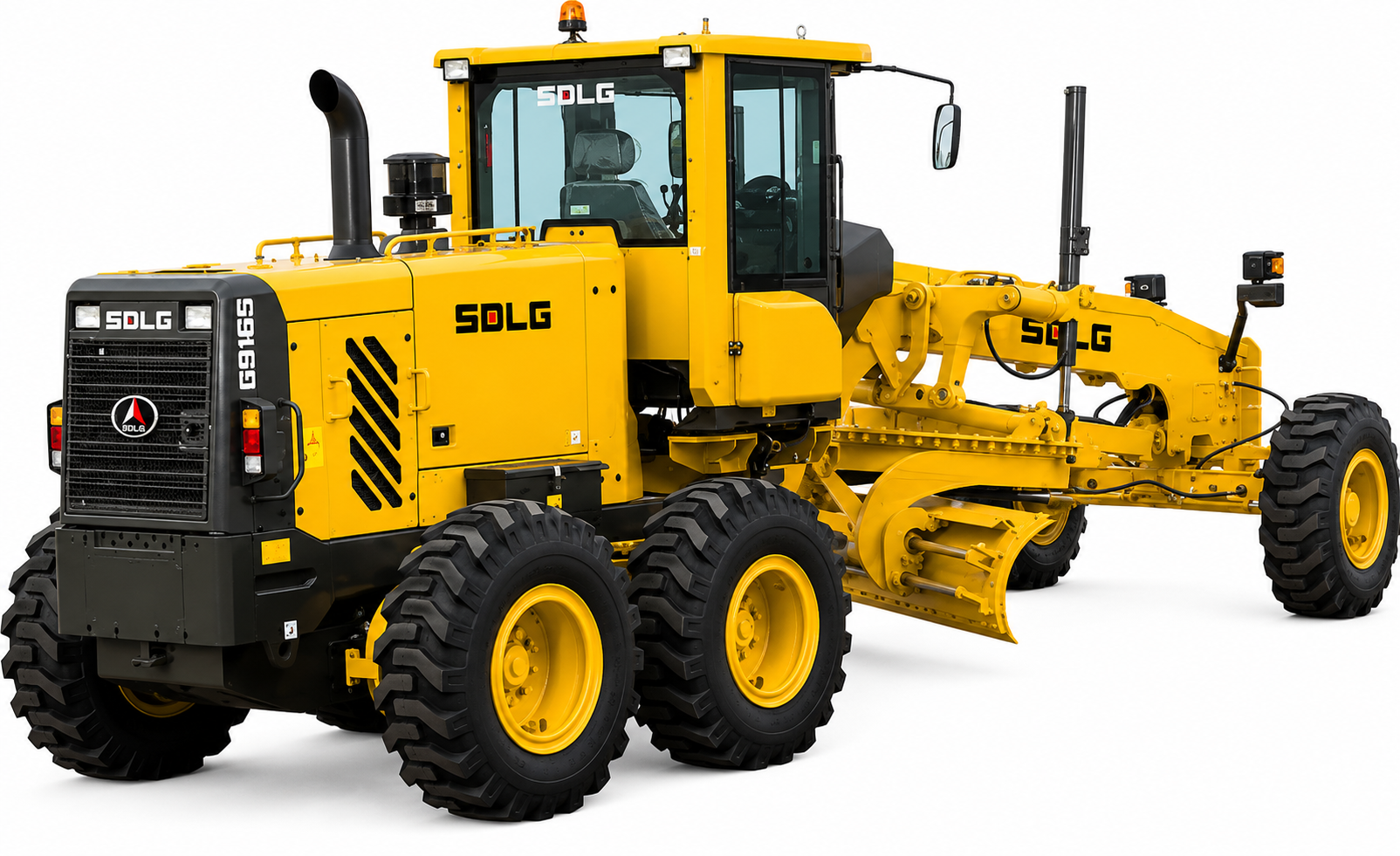
Motor graders handle road formation, subbase preparation, and fine grading, and they see heavy use on county road programmes and contracts issued by the Kenya National Highways Authority, the state corporation responsible for developing and maintaining Kenya’s national trunk road network. Grader hire costs in Kenya are almost always quoted by the day or hour, including the operator, and the 140G-equivalent mid-range machine is the most commonly available class.
Daily rates run KES 35,000 to 45,000, with hourly rates of KES 5,000 to 6,000 for shorter jobs. Outside major urban centres, grader availability can tighten quickly, so if your project is upcountry, factor in mobilisation costs and confirm availability well before your programme starts. Our dedicated guide to motor grader hire in Kenya covers blade classes, grading tolerances, and how suppliers price different contract types in more detail.
What Is the Bulldozer Hire Price in Kenya?
Bulldozers handle land clearing, bulk pushing, compaction, and site preparation, and they burn more fuel per hour than an equivalent excavator, which shows up directly in the bulldozer rental price per day in Kenya.
- D6-class machines suit medium-scale clearing and earthworks, with hourly rates of KES 6,000 to 7,000 and day rates of KES 42,000 to 50,000.
- D8-class machines handle heavy clearing, hard ground, and large-volume pushing at major infrastructure sites, with hourly rates of KES 8,000 to 9,500 and day rates of KES 55,000 to 65,000.
One cost contractors often miss when hiring bulldozers for remote projects is mobilisation. Low-loaders used to transport heavy equipment between sites in Kenya typically charge around KES 500 per kilometre, which can add a meaningful sum to the total bill on upcountry projects. Our guide to bulldozer hire in Kenya breaks down which dozer class suits which ground conditions and project sizes.
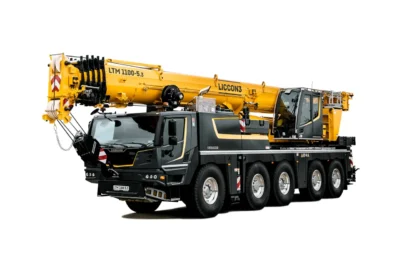
What Are Crane Hire Rates in Kenya?
Crane hire is the most expensive equipment category in this guide, reflecting the specialist skills involved, the requirement for a certified operator, and the compliance obligations attached to every lift.
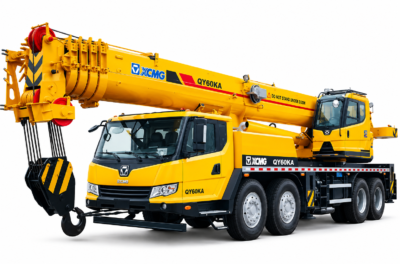
Before hiring a crane in Kenya, you will need a lift plan prepared by a competent person and, for larger cranes, notification to the relevant authority. These are legal requirements under Kenyan construction and occupational safety regulations, overseen in part by the National Construction Authority, the state corporation mandated to regulate and streamline Kenya’s construction industry. Build lift-planning costs into your budget from the outset. Because crane selection depends far more on lift radius and load weight than on tonnage alone, our full guide to crane hire across Kenya and East Africa is worth reading before you request quotes.
Table 3: Mobile Crane Hire Rates in Kenya
| Crane Capacity | Daily Rate (KES) |
| 25T mobile crane | 28,000 – 35,000 |
| 50T mobile crane | 60,000 – 80,000 |
| 100T mobile crane | 150,000 – 250,000 |
Operator costs are included in these figures. Fuel and, on most contracts, third-party lift-planning fees are borne by the hirer.
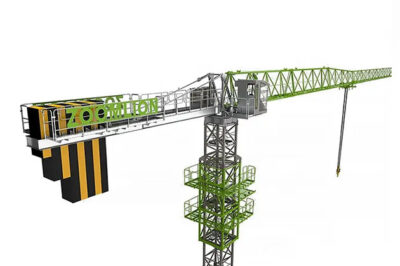
Tower crane hire in Kenya works differently. These are hired monthly rather than daily, with erection, dismantling, and operator costs built into the contract. Monthly rates run roughly KES 1.9 million to 2.6 million (around USD 15,000 a month), depending on height, jib length, and capacity. Erection and dismantling are usually billed separately, often as a one-off fee of KES 7.5 to 8 million on larger projects.
Wheel Loader, Roller, and Concrete Mixer Hire Rates in Kenya
Beyond the excavators, graders, and cranes that anchor a project, most sites also need a supporting fleet to load, compact, mix, and haul. These categories tend to get less attention when contractors are budgeting, yet getting them wrong, whether that is under-compacting a subbase or hiring the wrong size of mixer, often costs more in rework than the machine itself. Here is what wheel loaders, rollers, concrete mixers, and tipper trucks typically cost to hire in Kenya.
Wheel Loader Hire Rates in Kenya
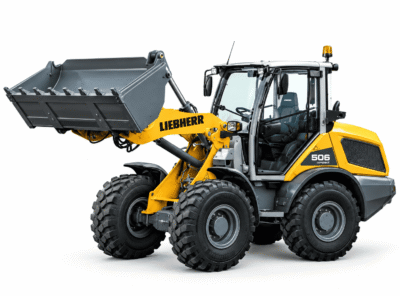
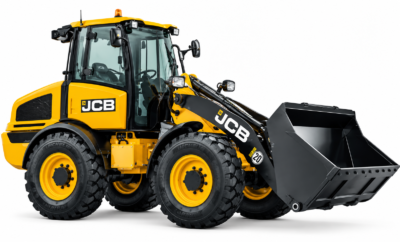
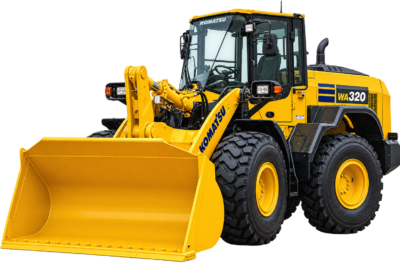
Wheel loaders handle aggregate loading, site clearance, and feeding crushers and asphalt plants, with the 1.5m³ bucket class the most widely available. Daily rates run KES 30,000 to 40,000, hourly rates roughly KES 4,500 to 6,000, and operator costs are included; fuel sits with the hirer. Brand and bucket configuration make a real difference to productivity on aggregate-heavy sites, and our guide to wheel loader hire in Africa compares the major brands and bucket options available from Kenyan suppliers.
Compactor Roller Hire Rates in Kenya
Compactor roller hire in Kenya is the category most contractors budget for last and often regret. Under-compaction on a road, subbase, or asphalt job leads to rework that costs far more than the roller hire itself. Single-drum vibratory rollers (10–12T) typically hire for KES 20,000 to 28,000 per day, while tandem and pneumatic rollers used for asphalt finishing run KES 22,000 to 30,000 per day. Matching roller type to material, whether that is soil, granular subbase, or asphalt, matters more than tonnage alone, and our guide to compactor and roller hire in Africa covers this in detail.
Concrete Mixer Hire Cost in Kenya
Concrete mixer hire costs in Kenya fall into two distinct tiers. A basic site drum mixer, the kind used for smaller residential or renovation jobs, typically hires for KES 2,500 to 4,000 per day and is usually self-operated, since it counts as construction tools rental in Kenya rather than heavy plant. Larger transit or self-loading concrete mixers, used on bigger pours where volume and speed matter, run KES 15,000 to 30,000 per day with an operator. Match the mixer to the pour size rather than defaulting to the bigger, pricier option, since a self-loading unit hired for a small slab does little more than inflate the bill.
Tipper Truck Hire Rates in Kenya
Tipper trucks round out most Kenyan earthworks programmes, moving material away from excavators and loaders. Daily equipment hire rates in Kenya for an 18-tonne tipper run KES 14,000 to 15,000, and a 28-tonne tipper runs around KES 22,000, both usually with a driver included.
Factors That Affect Construction Equipment Hire Cost in Kenya
Equipment hire rates in Kenya are not fixed numbers pulled from a price list. Several variables move the final construction equipment hire cost in Kenya above or below the market midpoint:
- Machine age and condition. Newer machines from established suppliers command a premium. Older machines may be hired more cheaply but carry a higher risk of mid-job breakdowns.
- Operator inclusion. Wet hire is the market standard; dry hire, where you supply your own operator, typically cuts the day rate by 15 to 25 percent.
- Fuel responsibility. On most Kenyan hire agreements, the hirer covers fuel. A 20T excavator burns roughly 15-20 litres of diesel per hour of operation. With diesel retailing at around KES 217.86 per litre in Nairobi under the EPRA pricing cycle running from 15 August to 14 September 2026, fuel alone can add KES 35,000 or more to a single day’s operating cost on a standard excavator. EPRA revises the cap monthly, and diesel prices have been volatile through 2026, so check the current pump price before you finalise a budget.
- Hire duration. Daily rates are the most expensive way to hire by unit cost. Weekly and monthly agreements typically bring 10 to 20 percent off the daily equivalent.
- Site location. Equipment availability concentrates in Nairobi, Mombasa, Kisumu, and Nakuru, where rates are most competitive. Comparing construction equipment hire in Nairobi vs upcountry, secondary towns such as Eldoret, Nyeri, or Meru typically run 10 to 20 percent above Nairobi rates, since supplier competition is thinner there. Budget for low-loader transport if your site is more than 100km from the supplier’s yard.
- Market season. Demand peaks during the dry seasons, roughly January to March and July to October, when earthworks and road projects accelerate. Availability tightens, and rates can firm up during these windows.
Buy vs. Hire: Which Makes Sense for Your Project?
Not every project needs a hire agreement. Once you are running a machine on close-to-continuous work for a year or more, the maths often shifts towards buying, whether new or used. The buy vs hire decision in Kenya usually comes down to three questions: how long you need the machine, how much idle time you can tolerate, and whether you have the capital and maintenance capacity to own a machine outright.
As a rough guide:
- Short, one-off jobs (days to a few weeks): hiring wins outright. You avoid depreciation, storage, insurance, and maintenance on a machine you will barely use again.
- Recurring but irregular work: hiring still tends to make sense, since paying for idle time between contracts quickly erodes any ownership savings.
- Continuous, multi-year work: buying, particularly a well-maintained used machine, often works out cheaper over the life of the project, since the hire cost on a machine running most days of the year can exceed the purchase price within 12 to 24 months.
This is one of the reasons PlantBridge Africa’s marketplace lists both hire and sale listings side by side. If your project scope shifts partway through, whether that is a short hire turning into a year-long contract or a purchase you would rather offload once the job wraps up, you can compare both routes and reach owners, dealers, and rental companies directly without switching platforms.
7 Proven Ways to Save on Construction Equipment Hire Cost in Kenya
Once you understand what drives the numbers, these seven strategies bring your actual construction equipment hire cost in Kenya below the market midpoint without putting your project timeline at risk.
- Negotiate weekly or monthly rates. Day rates are the most expensive way to hire. If your schedule is firm, ask for a weekly or monthly rate from day one; most suppliers will move on price for a committed duration.
- Compare multiple suppliers before committing. Equipment hire rates in Kenya vary between suppliers for the same machine. A marketplace lets you reach several verified suppliers at once and compare terms without making a dozen phone calls.
- Clarify all-in costs upfront. The headline day rate rarely tells the full story. Confirm whether it includes the operator and fuel, whether there is a minimum hire period, and what mobilisation will cost. Hidden costs are the most common source of budget overruns.
- Book ahead during peak season. Availability of popular machines, especially excavators and graders, tightens fast during the dry season. Late bookings either pay a premium or settle for an older machine.
- Right-size the machine to the job. Hiring a 30T excavator for work that a mini excavator could handle increases your costs without any productivity gain. Match the machine class to the task before requesting quotes; see the excavator sizing guide linked above for a class-by-class breakdown.
- Consider dry hire if you already have a certified operator. If your team includes a licensed, competent operator, dry hire can shave 15 to 25 percent off the day rate. Confirm your operator’s certification meets the supplier’s insurance requirements first.
- Combine machine types strategically. On some earthworks programmes, pairing a wheel loader with tipper trucks moves material more cost-effectively than hiring additional excavators, and following a compacted subbase with the correct roller type avoids rework that costs more than the roller hire itself.
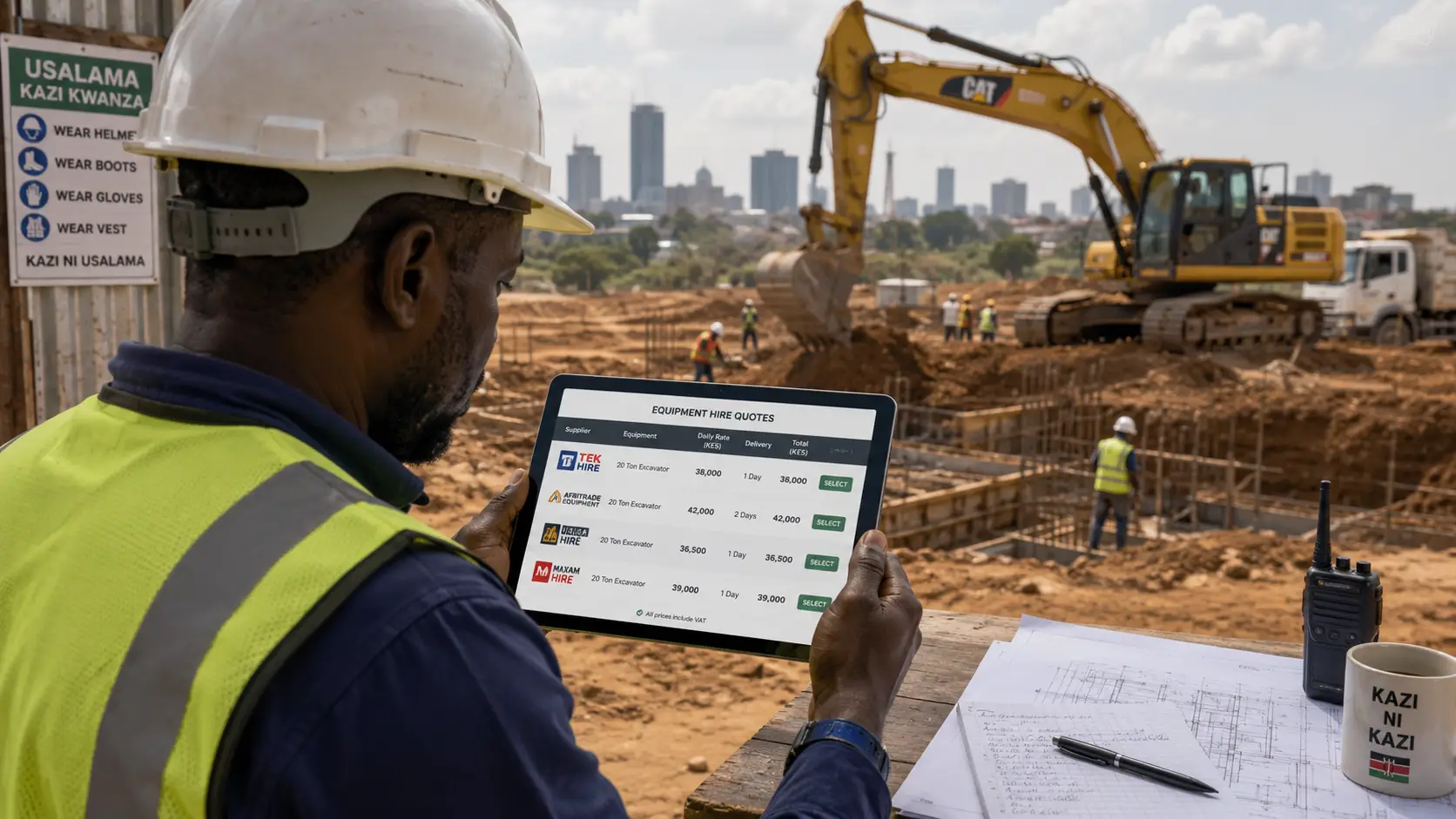
Contractor comparing equipment hire quotes on a tablet at a Kenyan construction site.
How to Hire Construction Equipment in Kenya
If you are new to the process, hiring construction equipment in Kenya generally follows the same sequence regardless of machine type:
- Define the scope. Know the task, the ground conditions, and how long you need the machine before you start requesting quotes.
- Right-size the machine. Use the sizing details in the category sections above or the linked guides to avoid over-hiring or under-hiring.
- Get quotes from more than one supplier. Compare wet hire against dry hire, and clarify what each quote actually includes.
- Confirm fuel, operator, and mobilisation terms in writing. Verbal assurances rarely hold up once a dispute starts.
- Check the operator’s certification and the machine’s condition before it arrives on site, particularly for cranes and other lifting equipment.
- Agree on the hire period and any extension terms upfront, since late extensions are where day-rate premiums tend to bite hardest.
Find Construction Equipment on PlantBridge Africa
PlantBridge Africa’s marketplace connects contractors, equipment owners, dealers, and rental companies across Kenya’s heavy equipment ecosystem in one place. Whether you are comparing excavators, motor graders, cranes, bulldozers, wheel loaders, backhoes, or rollers for hire, or weighing up a purchase against a hire agreement, you can browse listings and contact suppliers directly, with no intermediary standing between you and the person who owns the machine.
See listings on PlantBridge Africa →
Frequently Asked Questions About Construction Equipment Hire Cost in Kenya
How much does it cost to hire an excavator in Kenya per day? Excavator hire cost in Kenya runs from roughly KES 15,000 to KES 75,000 per day, depending on machine size. Mini excavators (5–8T) sit at the lower end, around KES 15,000 to 25,000 per day; large excavators above 30 tonnes sit at the upper end, around KES 55,000 to 75,000 per day. Operator costs are almost always included. If you are unsure which class fits your project, the excavator sizing guide linked above can help you match machine to task before you budget.
Is the operator’s cost included in construction equipment hire rates in Kenya? Yes, in most cases. Wet hire, where the supplier provides both the machine and a qualified operator, is the standard model. Dry hire is available from some suppliers and cuts the rate by roughly 15 to 25 percent, but you then take on the cost and responsibility of sourcing your own operator.
Who pays for fuel when hiring construction equipment in Kenya? The hirer covers fuel on the majority of Kenyan equipment hire contracts. This is a real cost: a 20T excavator burns roughly 15 to 20 litres of diesel per working hour, and with diesel at around KES 217.86 per litre as of the current EPRA pricing cycle, that can add tens of thousands of shillings to a single day’s cost. Explicitly confirm fuel responsibility before signing any hire agreement.
How much does crane hire cost in Kenya? Mobile crane hire rates in Kenya range from roughly KES 28,000 to 35,000 per day for a 25-tonne crane to KES 150,000 to 250,000 per day for a 100-tonne machine. Tower cranes are hired monthly, typically at KES 1.9-2.6 million, with erection and dismantling billed separately. All crane hire rates include a certified operator. For help matching lift capacity and radius to your project, see the full crane hire guide linked above.
How do I hire construction equipment in Kenya? Define your scope and timeline, right-size the machine for the job, get quotes from more than one supplier, confirm fuel, operator, and mobilisation terms in writing, and check the machine’s condition and the operator’s certification before work starts. A marketplace that lists multiple verified suppliers in one place makes the comparison step faster.
What is the cheapest construction equipment hire in Nairobi? Mini excavators and 18-tonne tipper trucks are typically the most affordable categories in Nairobi, with daily rates starting from around KES 14,000 to 15,000. Vibratory rollers and basic site concrete mixers are similarly affordable. Choosing the wrong machine type for the task ends up costing more in lost time than any savings on the rate.
How do I find construction equipment hire companies near me in Kenya? PlantBridge Africa’s marketplace lists equipment from verified owners, dealers, and rental companies across Kenya, searchable by equipment type and location. County-level contractors’ associations and local plant hire businesses in major urban centres are also worth approaching directly for upcountry projects.
Conclusion: Getting the Best Deal on Equipment Hire in Kenya
There is no fixed price list for construction equipment hire in Kenya, and there never really will be. What you pay comes down to machine size, whether an operator and fuel are included, how long you commit for, where the site sits, and how tight the market is that month. Contractors who treat these as fixed costs to be absorbed tend to overpay. Contractors who treat them as variables to be negotiated tend to come in on budget.
That is really the whole point of this guide: use the rate ranges above as your starting line, not your ceiling. Push for a weekly or monthly rate where your schedule allows it, and get more than one supplier to quote. Then pin down what is and is not included before you sign, and match the machine to the job rather than the job to whatever machine happens to be free.
None of that requires more time on your part, just a bit more discipline earlier in the process, and it is usually worth several percentage points off the final bill. For the finer detail behind any single category, whether that is picking the right excavator size or scoping a crane lift, the guides linked throughout this article go deeper on each.
Pricing note: Rates in this guide reflect indicative Kenyan market ranges as of the 2026 pricing cycle and are subject to change based on supplier, machine condition, fuel prices, and demand. Always confirm current rates directly with suppliers before budgeting.