


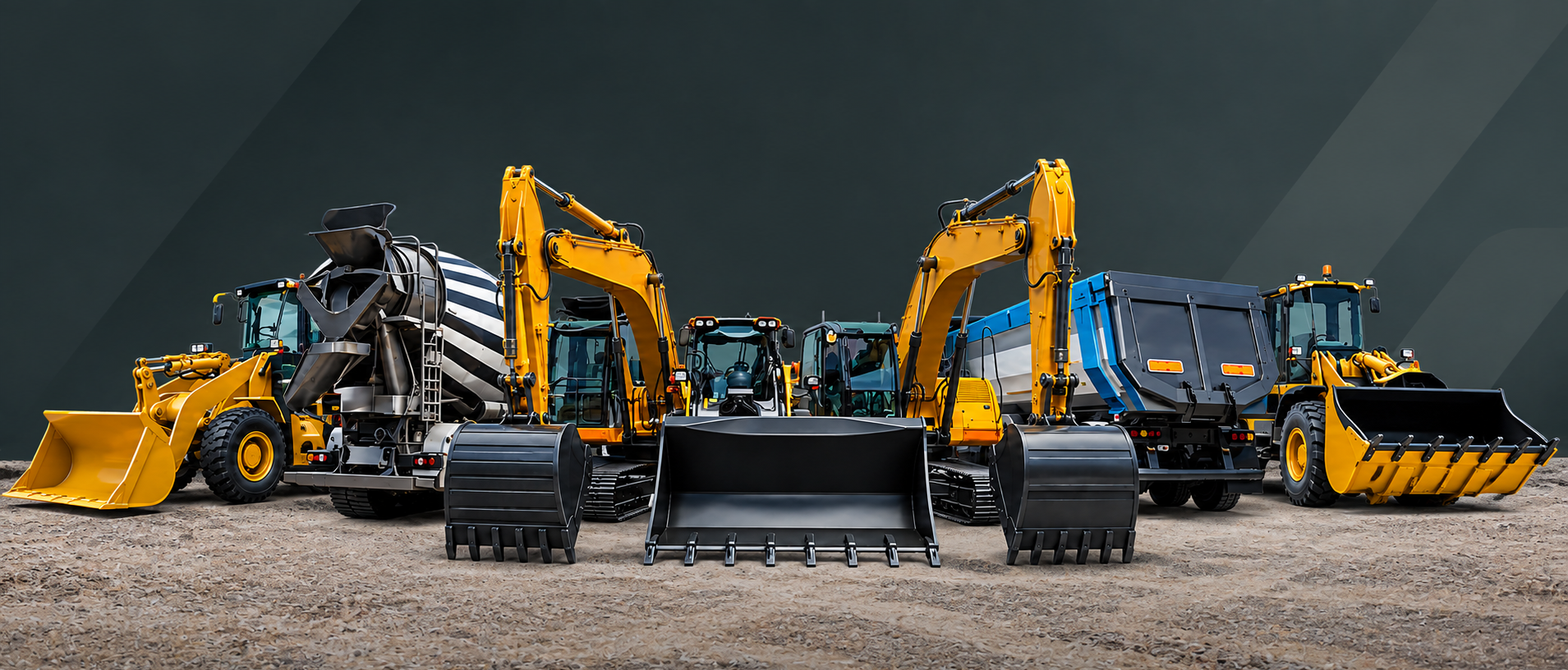
Construction Equipment Hire Cost in Kenya: 7 Proven Ways to Save Big (2026)

Construction Equipment Hire Cost in Kenya: 7 Proven Ways to Save Big (2026)
[Image: Excavator and tipper truck on a construction site in Kenya. Alt text: “construction equipment hire cost in Kenya”]
Quick answer: The cost of construction equipment hire in Kenya ranges from KES 14,000 to KES 250,000 per day in 2026, depending on the machine type and size. A standard 20–22T excavator costs roughly KES 40,000–55,000 per day; a 25-tonne mobile crane costs roughly KES 28,000–35,000 per day. Operator costs are usually included; fuel costs are usually not.
Introduction: What Drives Construction Equipment Hire Cost in Kenya
Construction equipment hire costs in Kenya are among the most searched-for and least transparently priced topics in the local construction industry. If you’re budgeting for a project and need to know what an excavator, grader, crane, dozer, wheel loader, roller, or tipper truck hire will actually cost you in 2026, this pillar guide from PlantBridge Africa gives you real market rate ranges across every major equipment category, plus seven proven ways to bring that cost down instead of guessing.
In Kenya, construction equipment hire typically costs between KES 14,000 and KES 250,000 per day, depending on machine type, size class, and whether an operator is included. Crane hire sits at the higher end of the range; mini excavators, rollers, and tipper trucks sit at the lower end.
This guide covers daily, hourly, and weekly hire rates for the most common heavy equipment categories in Kenya, the factors that push construction equipment hire cost up or down, and the practical strategies that get you the best rate. Where a category deserves a deeper dive (machine sizing, specific brands, or how to choose between types), we’ve linked out to PlantBridge Africa’s dedicated guides for each equipment class.
Key Takeaways
- Construction equipment hire costs in Kenya range from approximately KES 14,000 to KES 250,000 per day, depending on the machine type and size class.
- Operator costs are almost always included in Kenyan equipment hire rates. Dry hire (machine only) is the exception, not the rule.
- Fuel is the hirer’s responsibility in the majority of Kenyan rental agreements; clarify this before signing any hire contract.
- Weekly and monthly hire rates offer meaningful discounts over daily rates. Negotiate duration terms upfront if your project timeline allows.
- PlantBridge Africa lists verified construction equipment for hire from owners and rental companies across Kenya, with direct contact to suppliers.
Average Construction Equipment Hire Rates in Kenya in 2026
The table below sets out indicative market rate ranges for the most commonly hired construction equipment categories in Kenya. Rates reflect the Nairobi market and surrounding counties as of 2026; upcountry rates may vary, and mobilisation costs are not included. All figures are in Kenyan Shillings (KES).
| Equipment | Size / Class | Hourly (KES) | Daily (KES) | Weekly (KES) | Operator |
| Excavator | Mini (5–8T) | N/A | 15,000 – 25,000 | 90,000 – 150,000 | Yes |
| Excavator | Standard (20–22T) | 6,000 – 8,000 | 40,000 – 55,000 | 240,000 – 330,000 | Yes |
| Excavator | Large (30T+) | 7,500 – 10,000 | 55,000 – 75,000 | 330,000 – 450,000 | Yes |
| Motor Grader | 140G/120H class | 5,000 – 6,000 | 35,000 – 45,000 | 210,000 – 270,000 | Yes |
| Bulldozer | D6 / equivalent | 6,000 – 7,000 | 42,000 – 50,000 | 250,000 – 300,000 | Yes |
| Bulldozer | D8 / equivalent | 8,000 – 9,500 | 55,000 – 65,000 | 330,000 – 390,000 | Yes |
| Mobile Crane | 25T | N/A | 28,000 – 35,000 | 150,000 – 180,000 | Yes |
| Mobile Crane | 50T | N/A | 60,000 – 80,000 | 350,000 – 420,000 | Yes |
| Mobile Crane | 100T+ | N/A | 150,000 – 250,000 | N/A | Yes |
| Wheel Loader | 1.5m³ bucket | 4,500 – 6,000 | 30,000 – 40,000 | 180,000 – 240,000 | Yes |
| Vibratory Roller | Single-drum, 10–12T | 3,500 – 4,500 | 20,000 – 28,000 | 120,000 – 160,000 | Yes |
| Pneumatic/Tandem Roller | Asphalt class | 3,800 – 5,000 | 22,000 – 30,000 | 130,000 – 170,000 | Yes |
| Tipper Truck | 18T payload | N/A | 14,000 – 15,000 | 70,000 – 90,000 | Yes |
| Tipper Truck | 28T payload | N/A | 22,000 | 110,000 – 130,000 | Yes |
Rates are indicative market ranges as of 2026. Actual quotes will vary by supplier, machine age, location, and project terms. Confirm mobilisation costs separately.
Dry Hire vs. Wet Hire: What’s the Difference in Kenya?
Two hire models dominate the market, and the terminology matters because it directly affects your quoted construction equipment hire cost in Kenya.
Wet hire means the supplier provides the machine, a qualified operator, and often fuel; this is the default in Kenya. Dry hire means you receive the machine only; you supply your own licensed operator and fuel, and the day rate is typically 15–25% lower as a result.
| Hire Type | What’s Included | Typical Price Impact | Best Suited To |
| Wet hire | Machine + operator (fuel sometimes included) | Standard market rate | Most contractors; no in-house operator |
| Dry hire | Machine only | 15–25% below wet-hire rate | Companies with their own certified operators |
Always confirm in writing which model applies before signing. “Hire rate,” alone and without qualification, is ambiguous in the Kenyan market and a common source of disputes.
How Much Does It Cost to Hire an Excavator in Kenya?
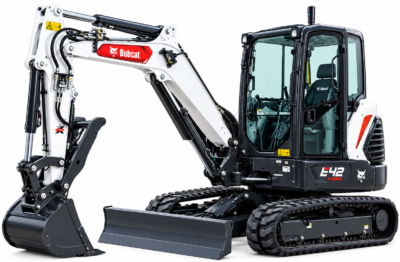
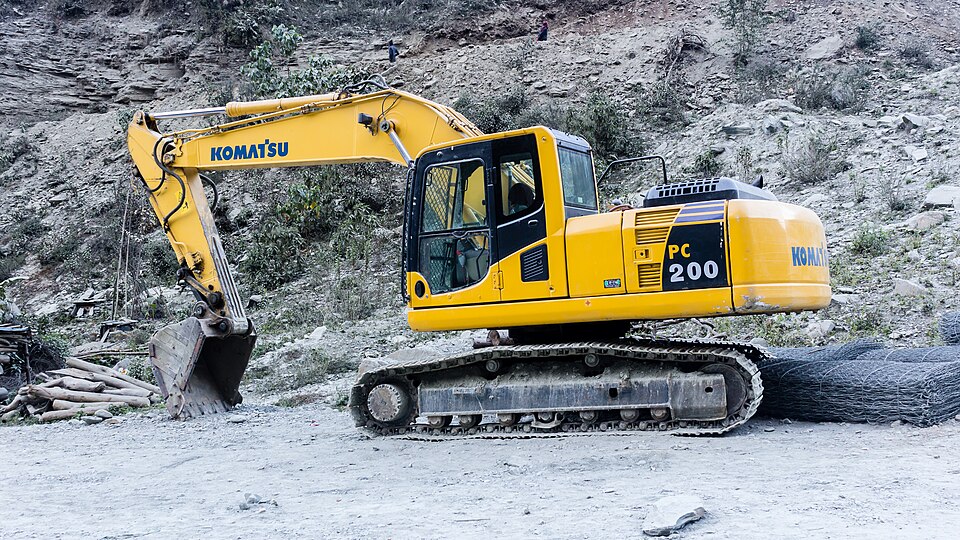
Excavators are the most frequently hired piece of construction equipment in Kenya, used across earthworks, foundation excavation, drainage, road construction, and demolition. Excavator hire costs in Kenya vary significantly by machine size and almost always include an operator; fuel remains the hirer’s responsibility.
[Image: Mini excavator working on a residential site. Alt text: “mini excavator construction equipment hire cost in Kenya”]
Mini Excavator Hire Rates Kenya (5–8T)
Mini excavators are suited to confined sites, utility trenching, and residential projects. Their lower fuel burn and smaller footprint make them the most affordable excavator category to hire. Daily rates for mini excavator hire typically range from KES 15,000 to KES 25,000. Hourly hire is less common in this category; most suppliers prefer day-rate agreements.
Standard Excavator Hire Rates Kenya (20T)
The 20-tonne excavator is the workhorse of Kenyan construction sites; the default machine for road earthworks, bulk excavation, and infrastructure projects. The 20T excavator is the most competitively priced category because supply is relatively deep. Daily hire rates for a standard 20–22T excavator range from KES 40,000 to KES 55,000, with hourly rates typically between KES 6,000 and KES 8,000.
Large Excavator Hire Rates Kenya (30T+)
Large excavators over 30 tonnes are used in mining, dam construction, major road works, and high-volume bulk earthworks. Availability is more limited outside Nairobi and Mombasa, which can affect both price and lead time. Daily hire rates range from KES 55,000 to KES 75,000, with hourly rates of roughly KES 7,500 to KES 10,000 for shorter engagements.
Not sure which size class actually fits your scope of work? Getting this wrong is the single most common way contractors overpay, and our detailed breakdown of excavator sizes and how to match a machine to your project walks through bucket capacity, dig depth, and site-access considerations for African conditions before you request a quote.
Browse excavators for hire in Kenya on PlantBridge Africa →
How Much Does a Motor Grader Hire Cost in Kenya?
Motor graders are essential for road formation, subbase preparation, and fine grading on infrastructure projects, and are heavily used on county road programmes and contracts issued by the Kenya National Highways Authority (KeNHA), the state corporation responsible for developing and maintaining Kenya’s national trunk roads. Grader hire is almost universally day-rate or hourly, with the operator included; the 140G-equivalent mid-range machine is the most commonly hired class.
Daily hire rates range from KES 35,000 to KES 45,000, with hourly rates of KES 5,000 to KES 6,000 for shorter engagements. Outside major urban centres, grader availability can be limited, so if your project is upcountry, factor in mobilisation costs and confirm availability before committing to a programme. For a closer look at blade classes, grading tolerances, and how suppliers price grader hire by contract type, see our dedicated guide to motor grader hire in Kenya.
View motor graders available for hire on PlantBridge Africa →
What Are the Hire Rates for Bulldozers in Kenya?
Bulldozers are used for land clearing, bulk pushing, compaction, and site preparation. They are high fuel-burning machines, which is reflected in their hire rates: bulldozer hire in Kenya typically costs more per hour than an equivalent excavator.
- D6 class: Hourly rates typically range from KES 6,000 to KES 7,000, with day rates around KES 42,000–50,000. Used for medium-scale clearing and earthworks.
- D8 class: Hourly rates typically range from KES 8,000 to KES 9,500, with day rates around KES 55,000–65,000. Suited to heavy clearing, hard ground, and large-volume pushing on major infrastructure sites.
One cost often overlooked when hiring bulldozers on remote projects is mobilisation. Low-loaders used to transport heavy equipment between sites in Kenya typically charge around KES 500 per kilometre, which can add a significant sum to the total cost of hiring construction equipment on upcountry projects. Confirm mobilisation terms before accepting a quote. If you’re weighing up dozer classes against the scale of your earthworks, our guide to bulldozer hire in Kenya breaks down which dozer suits which ground condition and project size.
How Much Does Crane Hire Cost in Kenya?
Crane hire is the highest-cost equipment category in this guide. Rates reflect the specialist nature of crane operations, the requirement for a certified operator, and the compliance obligations that accompany every lift.
Before hiring a crane in Kenya, you’ll need a lift plan prepared by a competent person and, for larger cranes, notification to the relevant authority. These are legal requirements under Kenyan construction and occupational safety regulations, overseen in part by the National Construction Authority (NCA), the state corporation mandated to regulate and streamline Kenya’s construction industry. Factor lift-planning costs into your project budget. Because crane selection depends heavily on lift radius, load weight, and site access rather than just tonnage, it’s worth reading our full guide to crane hire across Kenya and East Africa before requesting quotes.
Mobile Crane Hire Rates Kenya
| Crane Capacity | Daily Rate (KES) |
| 25T mobile crane | 28,000 – 35,000 |
| 50T mobile crane | 60,000 – 80,000 |
| 100T mobile crane | 150,000 – 250,000 |
Operator costs are included in mobile crane hire rates. The hirer is responsible for fuel and, on most contracts, any third-party lift-planning fees.
Tower Crane Hire Rates Kenya
Tower cranes are used on high-rise construction and large commercial projects. Unlike mobile cranes, they are typically hired monthly, with erection, dismantling, and operator costs included in the contract. Monthly hire rates range from approximately KES 1.9 million to KES 2.6 million (roughly USD 15,000/month), depending on height, jib length, and capacity. Erection and dismantling are usually charged separately, often at a one-off fee of KES 7.5–8 million for large projects.
Compare crane hire listings across Kenya on PlantBridge Africa →
What Are Wheel Loader and Roller Hire Rates in Kenya?
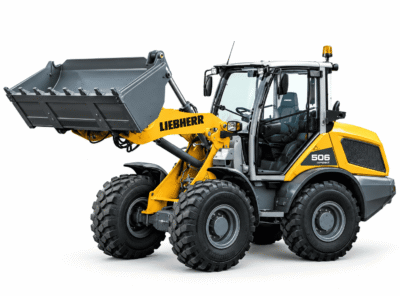
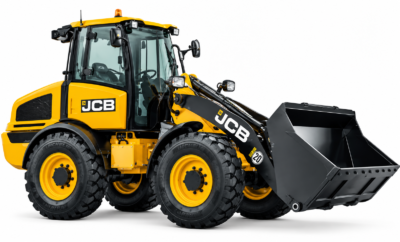
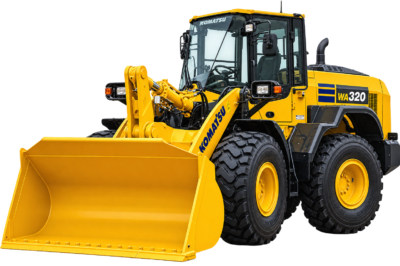
Wheel loaders are used for aggregate loading, site clearance, material handling, and feeding crushers and asphalt plants. The 1.5m³ bucket class is the most widely available. Daily rates typically range from KES 30,000 to KES 40,000, with hourly rates of roughly KES 4,500–6,000. Operator costs are included; fuel is the hirer’s responsibility. Brand and bucket configuration make a real difference to productivity on aggregate-heavy sites, and our guide to wheel loader hire in Africa compares the major brands and bucket options available from Kenyan suppliers.
Compactor rollers are the category most contractors budget for last, and often regret it. On any road, subbase, or asphalt programme, under-compaction leads to rework that costs far more than the roller hire itself. Single-drum vibratory rollers (10–12T) typically hire for KES 20,000–28,000 per day, while tandem and pneumatic rollers used on asphalt finishing run KES 22,000–30,000 per day. Matching roller type to material (soil, granular subbase, or asphalt) matters more than tonnage alone, which is covered in detail in our guide to compactor and roller hire in Africa.
What Factors Affect the Cost of Construction Equipment Hire in Kenya?
Equipment hire rates in Kenya are not fixed. Several variables push the final construction equipment hire cost above or below the market midpoint:
- Machine age and condition. Newer machines from reputable suppliers command a premium. Older machines may be cheaper to hire but carry a higher downtime risk.
- Operator inclusion. Wet hire is the market standard; dry hire, where you supply your own operator, typically reduces the day rate by 15–25%.
- Fuel responsibility. In most Kenyan hire agreements, the hirer supplies or pays for fuel. A 20T excavator consumes roughly 15–20 litres per hour under working conditions. With diesel retailing at around KES 222.86 per litre in Nairobi as of the June–July 2026 pricing cycle (check the Energy and Petroleum Regulatory Authority’s current pump prices before budgeting, since EPRA revises the cap monthly), fuel can add KES 35,000 or more to a single day’s operating cost on a standard excavator. Diesel prices have been volatile in 2026, so budget in some margin.
- Hire duration. Daily rates are the highest unit cost; weekly and monthly agreements typically offer 10–20% discounts on the daily equivalent.
- Site location. Equipment availability is concentrated in Nairobi, Mombasa, Kisumu, and Nakuru, where rates are most competitive. In secondary towns such as Eldoret, Nyeri, or Meru, expect roughly 10–20% above Nairobi rates due to thinner supplier competition. Budget for low-loader transport if your site is more than 100km from the supplier’s yard.
- Market season. Demand peaks during the dry seasons (roughly January–March and July–October), when earthworks and road projects accelerate. Availability tightens, and rates can firm during these periods.
7 Proven Ways to Save on Construction Equipment Hire Cost in Kenya
Now that you know what drives the numbers, here are seven proven, practical ways to reduce your construction equipment hire costs without compromising your project timeline.
- Negotiate weekly or monthly rates. Day rates are the most expensive way to hire. If your project schedule is firm, ask for a weekly or monthly rate from day one; most suppliers will move on price for a committed duration.
- Compare multiple suppliers before committing. Equipment hire rates in Kenya vary between suppliers for the same machine. Using a marketplace like PlantBridge Africa lets you contact multiple verified suppliers simultaneously and compare terms without making multiple phone calls.
- Clarify all-in costs upfront. The headline day rate rarely tells the full story. Confirm whether it includes the operator, who pays for fuel, whether there’s a minimum hire period, and what the mobilisation charge will be. Hidden costs are the most common source of budget overruns.
- Book in advance during peak season. During the dry season, the availability of popular machine types, especially excavators and graders, tightens quickly. Late bookings either pay a premium or settle for older machines.
- Right-size the machine to the job. Hiring a 30T excavator for work that a mini excavator could handle inflates your construction equipment hire cost with no productivity benefit. Match machine class to task before you request quotes; see the excavator sizing guide linked above for a class-by-class breakdown.
- Consider dry hire if you have a certified operator. If your team already includes a licensed, competent operator, dry hire can shave 15–25% off the day rate. Confirm your operator’s certification meets the supplier’s insurance requirements first.
- Combine machine types strategically. On some earthworks programmes, pairing a wheel loader with tipper trucks is more cost-effective than hiring additional excavators for material movement, and following a compacted subbase with the correct roller type avoids costly rework. Review your plant schedule against the rate table above before finalising your equipment mix.
[Image: Contractor comparing equipment hire quotes on a tablet at a Kenyan construction site. Alt text: “saving on construction equipment hire cost in Kenya”]
Browse Construction Equipment for Hire on PlantBridge Africa
PlantBridge Africa lists verified excavators, motor graders, cranes, bulldozers, wheel loaders, rollers, and tipper trucks from equipment owners and rental companies across Kenya. Compare availability and specifications, and contact suppliers directly; no intermediary, no mark-up.
See all construction equipment for hire on PlantBridge Africa →
Frequently Asked Questions About Construction Equipment Hire Cost in Kenya
How much does it cost to hire an excavator in Kenya per day? Excavator hire in Kenya costs between roughly KES 15,000 and KES 75,000 per day, depending on machine size. Mini excavators (5–8T) sit at the lower end, around KES 15,000–25,000 per day; large excavators above 30 tonnes sit at the upper end, around KES 55,000–75,000 per day. Operator costs are almost always included. If you’re unsure which class fits your project, our excavator sizing guide can help you match machine to task before you budget.
Is the operator’s cost included in equipment hire rates in Kenya? Yes, in most cases. Wet hire, where the supplier provides both the machine and a qualified operator, is the standard model. Dry hire is available from some suppliers and reduces the rate by approximately 15–25%, but you’re then responsible for sourcing and paying your own operator.
Who pays for fuel when hiring construction equipment in Kenya? The hirer is responsible for fuel in the majority of Kenyan equipment hire contracts. This is a real cost: a 20T excavator burns roughly 15–20 litres of diesel per working hour, and with diesel at around KES 222.86 per litre as of mid-2026 (per EPRA’s published pump prices), this can add tens of thousands of shillings to a single day’s cost. Confirm fuel responsibility explicitly before signing any hire agreement.
How much does crane hire cost in Kenya? Mobile crane hire ranges from approximately KES 28,000–35,000 per day for a 25-tonne crane to KES 150,000–250,000 per day for a 100-tonne machine. Tower cranes are hired monthly, typically at KES 1.9–2.6 million, with erection and dismantling charged separately. All crane hire rates include a certified operator. For help matching lift capacity and radius to your project, see our full crane hire guide for Kenya and East Africa.
Can I hire construction equipment by the hour in Kenya? Hourly hire is available for some machine types, particularly motor graders and standard excavators, but it’s not the norm. Most suppliers prefer day-rate agreements; when hourly rates are offered, expect a minimum charge of 4–6 hours.
What is the cheapest construction equipment to hire in Kenya? Mini excavators and 18-tonne tipper trucks are typically the most affordable categories, with daily rates starting from around KES 14,000–15,000. Vibratory rollers are similarly affordable, starting around KES 20,000 per day. Choosing the wrong machine type for the task will cost more in time and productivity than any savings in rates.
How do I find construction equipment for hire near me in Kenya? PlantBridge Africa lists construction equipment for hire from verified owners and rental companies across Kenya, searchable by equipment type and location. County-level contractors’ associations and local plant hire companies in major urban centres are also a good starting point for direct enquiries.
Conclusion: Getting the Best Construction Equipment Hire Cost in Kenya
Construction equipment hire costs in Kenya aren’t fixed; they vary with machine size, operator inclusion, fuel responsibility, hire duration, location, and season. Understanding these variables, rather than accepting the first quote you receive, is what separates contractors who stay on budget from those who don’t.
Use the rate ranges in this guide as your baseline, then apply the seven strategies above: negotiating longer terms, comparing suppliers, clarifying all-in costs, booking early, right-sizing your machine, weighing dry hire, and combining equipment types to bring your actual construction equipment hire cost in Kenya below the market midpoint. For the deeper, machine-specific detail behind each category, follow the links throughout this guide to PlantBridge Africa’s dedicated hire guides for excavators, motor graders, bulldozers, cranes, wheel loaders, and rollers.
Pricing note: Rates in this guide reflect indicative Kenyan market ranges as of the 2026 pricing cycle and are subject to change based on supplier, machine condition, fuel prices, and demand. Always confirm current rates directly with suppliers before budgeting.